
Summarise this with AI
Opens your assistant with this article already loaded.
Key highlights
- 22kW requires three phase supply. On single phase the unit will still only do 7kW.
- 7kW overnight puts back roughly 40km of range an hour, so eight hours is plenty.
- An average Australian car travels well under what one night at 7kW replaces.
- Three phase is common in the newer northern estates and rare near the beach.
- Two EVs on one supply is the most common genuine reason to want more.
- Check what you have before you buy: it is a one minute look at the meter box.
The Arithmetic Most People Never Do
A charger's rating is how fast it can move energy into the car. 7kW puts back roughly 40km of range for every hour it runs, depending on the car.
Plug in at six in the evening and unplug at seven the next morning and that is thirteen hours. Even allowing for the car finishing early, one ordinary night replaces several hundred kilometres.
The average Australian car covers a small fraction of that in a day. Which is why, for the majority of households, the car is full every morning and the charger spends most of the night doing nothing.
What 22kW Actually Requires
22kW is only available on three phase supply, which means three live conductors coming in from the street instead of one.
You either have it or you do not, and it is decided at the street. A 22kW charger installed on a single phase house will charge at 7kW, because the supply is the limit.
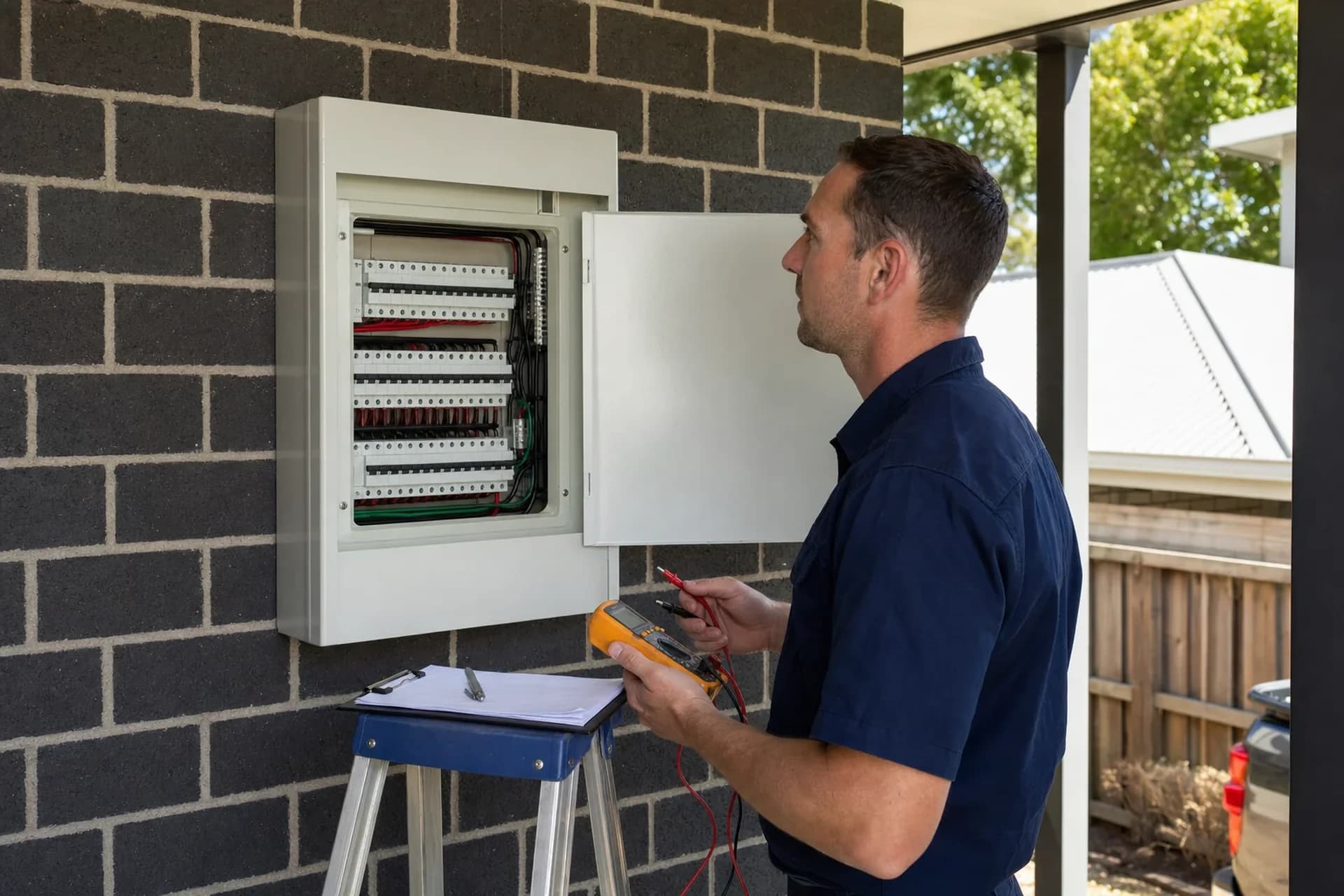
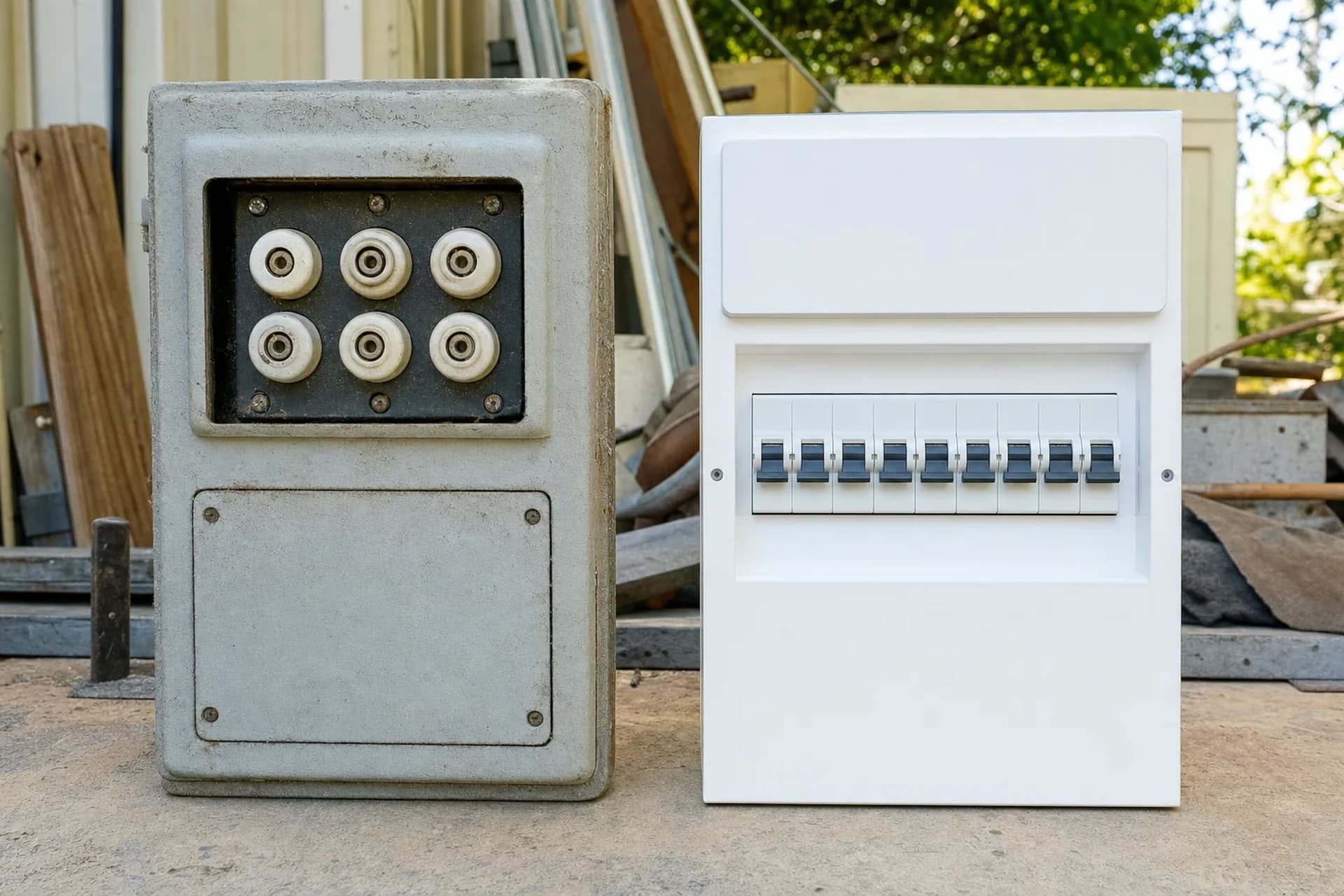
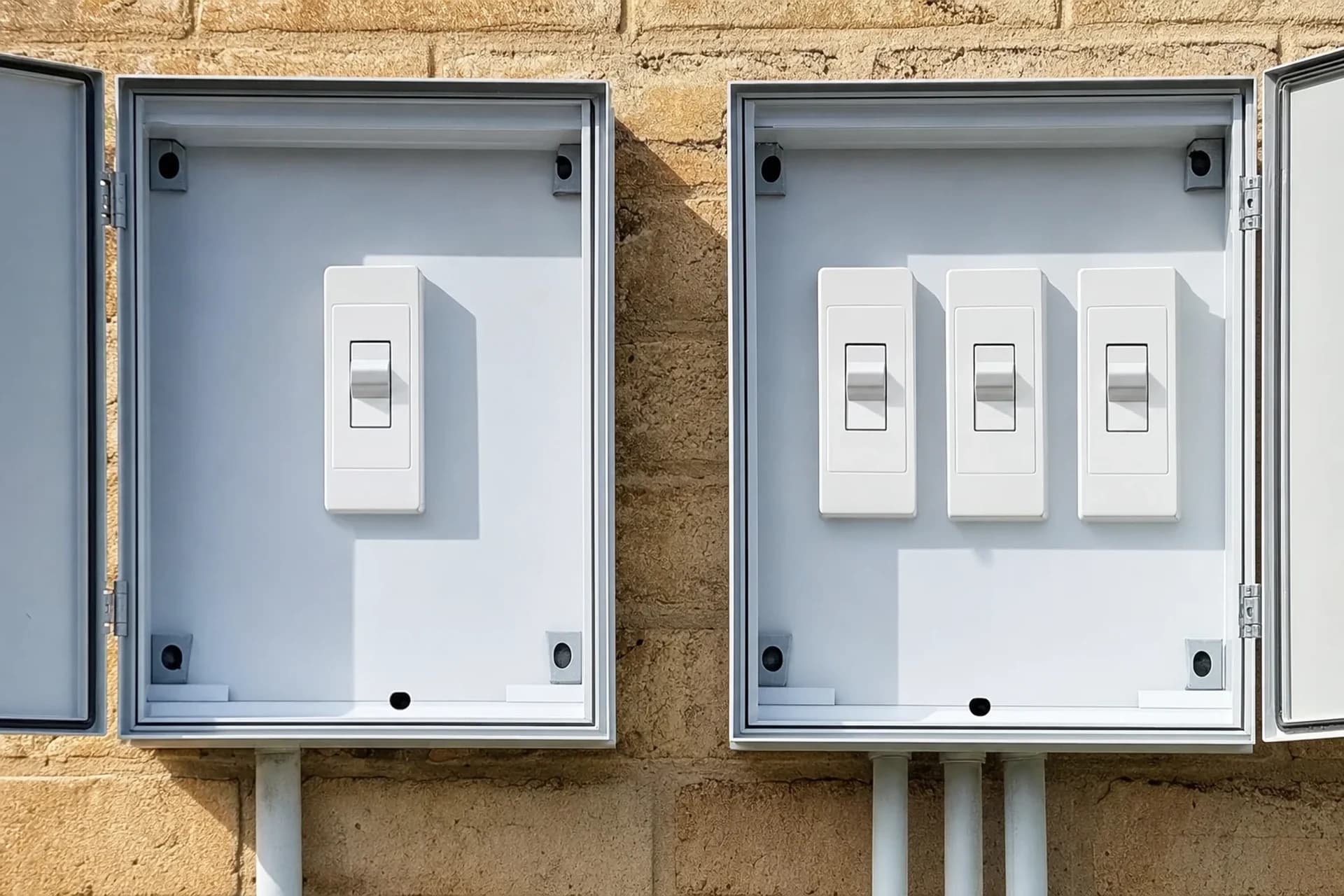
Checking takes a minute. Open the meter box and look at the main switch. One means single phase. Three sitting side by side means three phase.
The Option People Forget
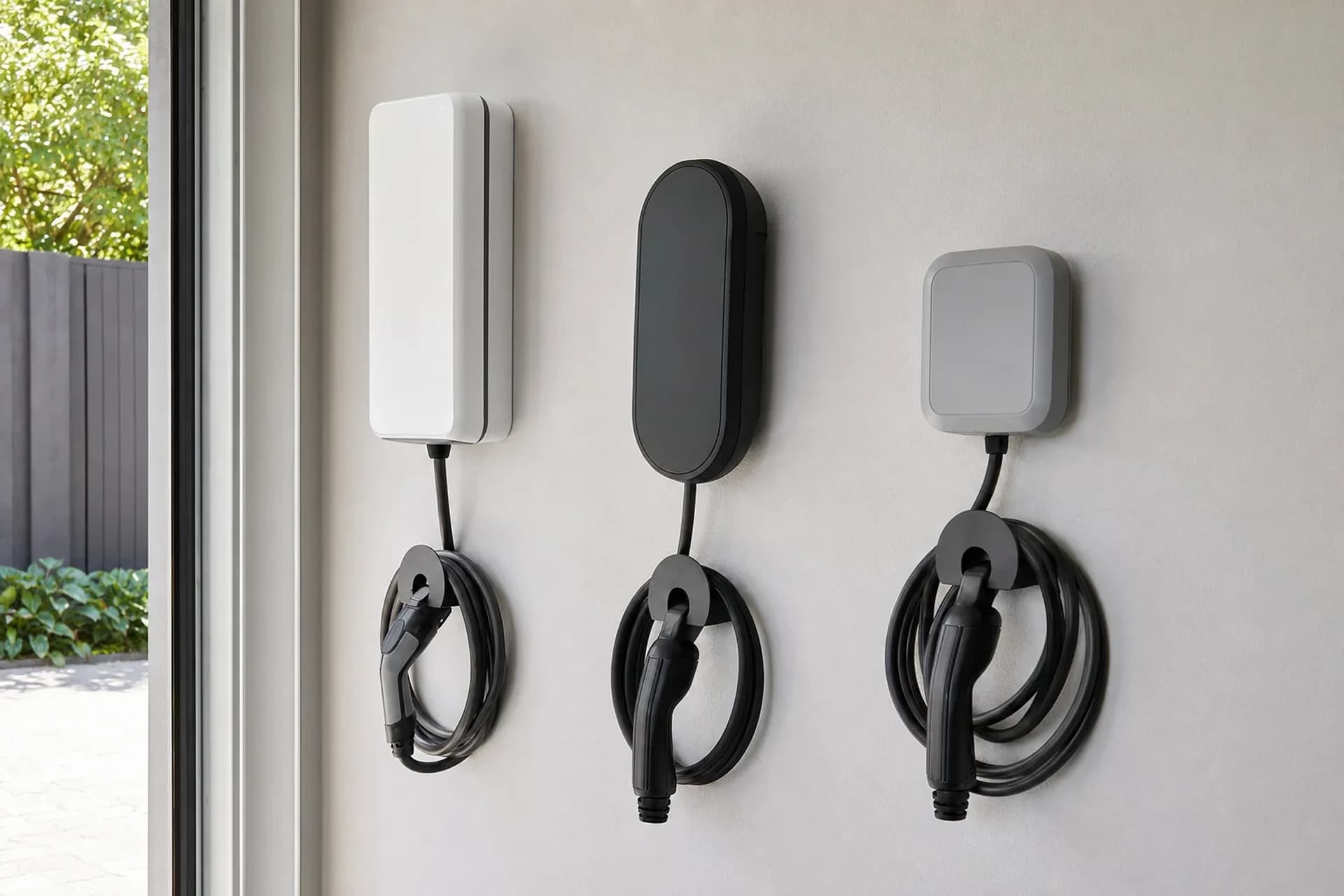
Three phase does not oblige you to run at 22kW. 11kW is the middle setting, and it is the one most three phase households settle on.
It is roughly double the single phase speed, it is gentler on the supply, and it leaves headroom for the rest of the house. If you have three phase and no particular reason to push it, 11kW is usually the sensible choice.
Four Cases Where 22kW Earns Its Keep
- High daily distance. If you are regularly putting on more in a day than a night at 7kW replaces, the faster charger stops being a luxury.
- Two EVs, one supply. The most common real reason. Two cars sharing a single phase supply is where overnight gets tight.
- Short top ups. If the car comes home at lunchtime for an hour and has to go out again, speed is the whole point.
- A workplace or shared car park. Bays turning over through the day is a different problem to a car parked overnight, and it is the case three phase was made for.
Is It Worth Upgrading to Three Phase for It
Sometimes, and it is a bigger decision than picking a charger. Going from single phase to three phase is a change to your connection, which means the distribution network is involved and it runs to their timing.
Energex is the distributor for the Gold Coast, so what is available in your street and what the change involves are decided by them. It is worth checking availability at your address before you make plans around it.
If the upgrade is on the cards anyway for other reasons, adding the charger to it makes obvious sense. Doing it purely to charge a single car faster overnight rarely does.
Questions People Ask
It will work and it will charge at about 7kW, because the supply sets the limit and not the unit.
You would be paying for capability you cannot use unless you later upgrade the supply.
Open the meter box and look at the main switch. Single phase has one. Three phase has three of everything side by side.
If you are unsure, take a photo of the board with the door open and someone can tell you in seconds.
AC charging at home, at any of these speeds, is gentle compared to the DC fast charging you get on a highway.
The thing that matters more for battery life is where you keep the state of charge day to day, not whether you charged at 7kW or 11kW.
It depends where you are. Through the newer northern estates like Coomera, Pimpama and Ormeau it is far more common, because it was laid while the streets were built.
Through the older suburbs near the beach most housing is single phase.
That is the case worth planning for now. Load sharing between two chargers on one supply is much cheaper to allow for at the first install.
Mention it even if the second car is a few years away.